Mongolia: Saker Falcons, Conservation and Learning
A conservation initiative on the Mongolian steppe connected artificial nesting sites with education and exchange between schools.
About the Project
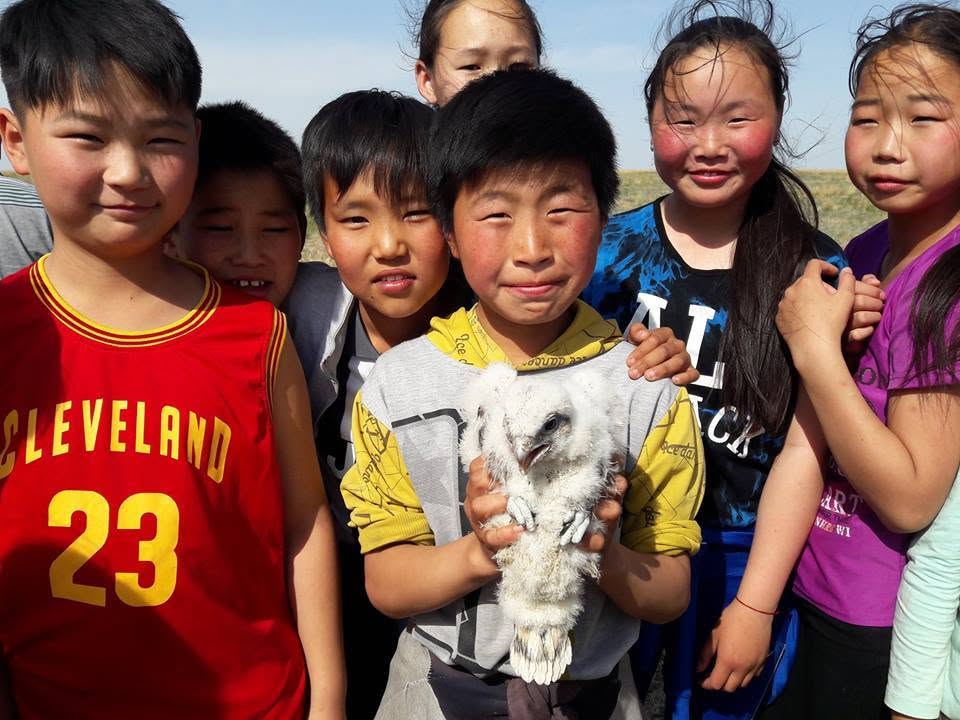
The Mongolian Artificial Nest Project aimed to provide additional nesting sites for Saker Falcons (Falco cherrug) across the steppe. The project also created an opportunity to help students and local communities understand why the nests were installed and how raptors contribute to their ecosystems.
The field project was funded by the Environment Agency–Abu Dhabi and implemented by International Wildlife Consultants and the Wildlife Science and Conservation Center of Mongolia.
Education Across Borders
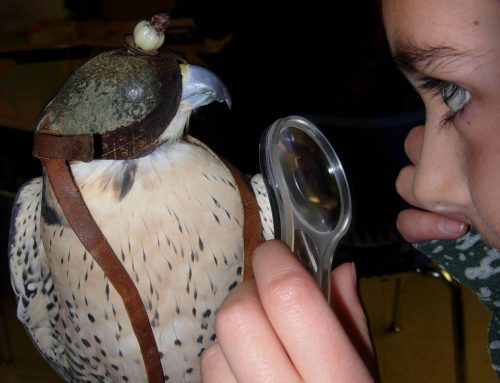
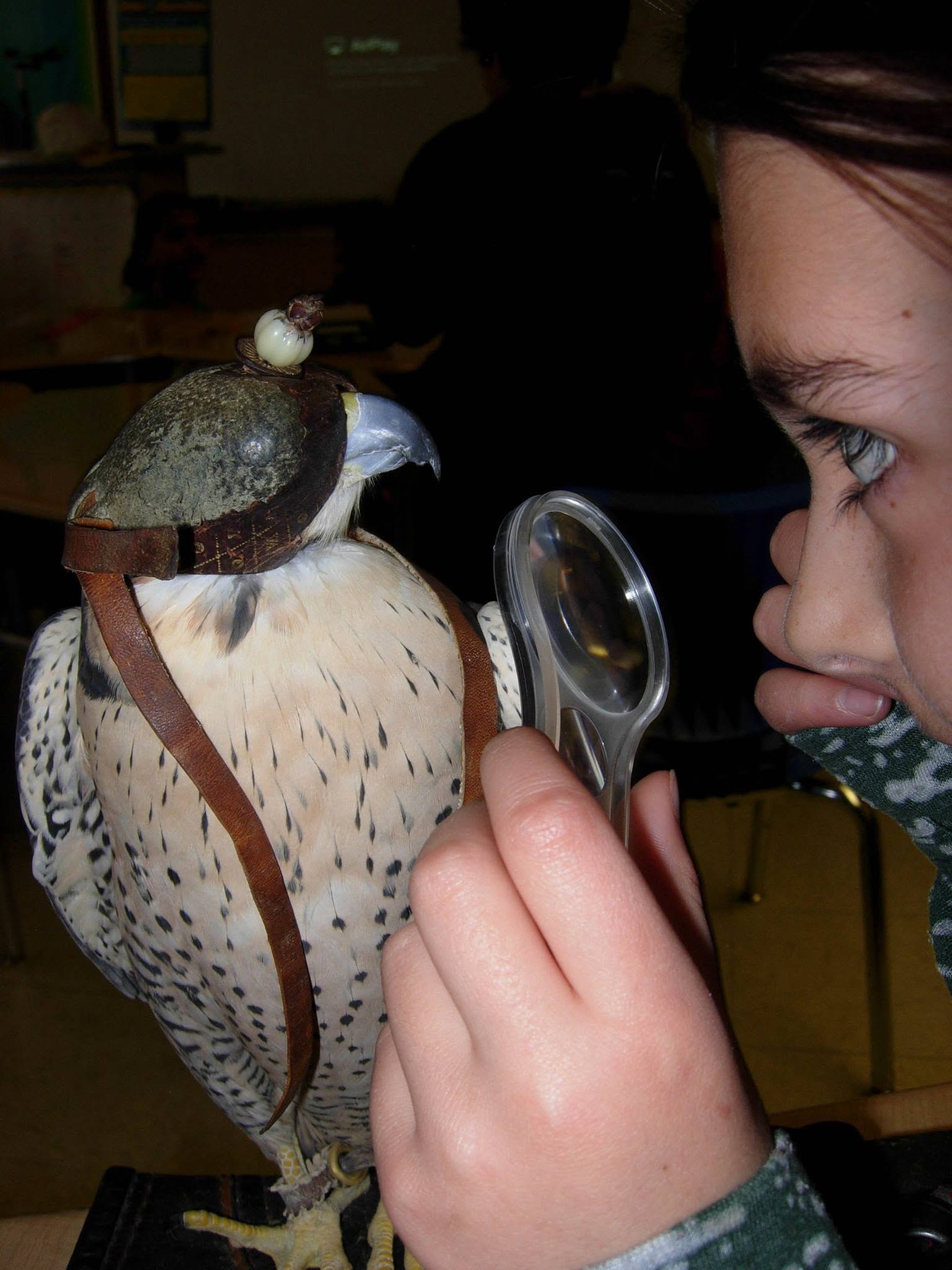
The School Links Programme connected Mongolian schools with students in other countries. Through lessons and shared educational materials, students explored falcons, conservation, falconry and life in Mongolia.
Craig Hendee, founder of International Heritage Conservancy, helped connect participating U.S. schools and contributed educational visits, lessons and falconry demonstrations.
Results
In its report on the 2014 breeding season, the programme recorded 766 Saker Falcon nests and estimated that 2,322 young falcons fledged from artificial nests.
These figures were reported by the programme in 2015 and describe that season only. They are not current population estimates.
Partners
- Environment Agency–Abu Dhabi — funder of the artificial nest project
- International Wildlife Consultants — project implementer
- Wildlife Science and Conservation Center of Mongolia — project implementer
- International Heritage Conservancy — documented educational and school-link contribution